Bro, that’s not pizza
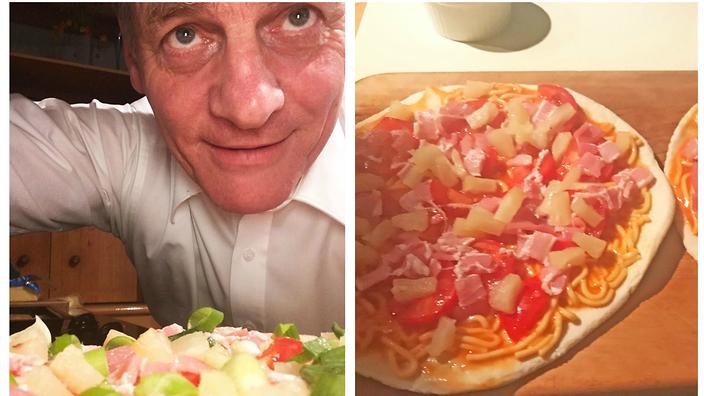
We’re really missing a trick when it comes to food tourism.
By Adam Fricker
[Full disclosure: For lunch, the author had a tuna sandwich and $2 hot chips from Marty’s Pies on Barry’s Point Road and is therefore in no way qualified to comment on the issue of high quality cuisine. That said, he can happily report, the two slices of Molenberg were fresh, the tinned tuna mixed with onions, brown and spring, and emulsified with a bit of mayonnaise; the chips were golden brown and absorbed the malt vinegar nicely. Both were excellent.]
NEW Zealand has an image problem. We are known for producing the best farm produce in the world, mixing the magic of 100% Pure landscapes with Kiwi innovation and, nek minnit, lamb chops, eye-fillet steak and green-lipped mussels to die for, washed down with a crisp Sav Blanc or delicate Pinot Noir. But, according to a new report, we’re really missing a trick when it comes to food tourism.
So say ANZ Bank and the Ministry for Primary Industries who co-wrote a pithy report about “the benefits of leveraging the New Zealand tourism industry to showcase food and beverage experiences and its links to the primary sector and wider food and beverage sector”. They’ve used data and everything.
The basic premise seems to be, a tourist who has a good food and beverage experience while in New Zealand will associate our produce with the happy memories of their stay here and is therefore more likely to seek it out in stores back in their own countries.
Problem?
New Zealand is well down the pecking order when it comes to attracting tourists on the strength of our food-and-bev’ experience. The report says this is a lack of recognition thing more than a bad experience thing. Tourists strongly associate countries like Italy, France and Spain with a positive impression as a food destination. Us, not so much.
In the same surveys, New Zealand gets a high number of neutral responses on the question of food. As a country we are just more strongly associated with things other than memorable food experiences. Bloody Hobbits.
An opportunity for growth then.
Especially considering the research also shows that, when asked to provide words to describe their impressions of the local food and beverage scene, visitors from our three key tourist markets – the USA, Australia and China – all used the words “quality, natural, provenance, innovation”.
In short, the years of marketing 100% Pure NZ to the world has created an impression of high-quality produce grown in a healthy environment by innovative producers. Job done marketing us as a food tourism destination then, surely? Apparently not.
If we believe the data, it seems we as a country have yet to make the leap from producers of great ingredients to Creators of Great Foodie Experiences — impressions that linger in the minds of departed tourists. Alongside their memories of our alpine vistas, near misses on jet boats and rolling pastures does not sit a gourmet experience seared onto their palates and into their neurons.
In the age where everyone is a food critic, constantly posting photos of their lunch on social media and commenting on the acidity and salty undertones of the salad dressing, this is a massive fail.
Surely this can’t be right though? Yes, we Kiwis all still covet our Edmonds Cookery Book, turning to it for comforting classics such as curried sausages (sultanas optional) or for advice on which meat cuts to boil and which to roast. But our foodie culture has blossomed, exploded, evolved! A Railways pie and a mug of gumboot tea just won’t cut it anymore.
Every newspaper, magazine and website seems to groan with photos of lamb cutlets and roasted potatoes with fresh rosemary and red wine jus, quail cutlets on a bed of rocket (made that up, obviously) and – for no obvious reason – deconstructions of sandwiches, burgers, nachos and pies (yes, really). ‘What-to-do-this-weekend’ guides tell us to get to the wonderful Farmers Markets in the once-dying but now reborn provincial towns, or try the eggs bene’ at The Latest Thing Cafe. Our vineyards all have restaurants; we have chains of gourmet mini-markets. We are A Foodie Experience!
Well, we’re getting there, say our erstwhile report writers. We’ve got the place, the people and the produce. “The country is well set up to produce world-class food experiences to our overseas visitors.”
But. We are not always good at this foodie experience thing. “If our food and beverage sector is to make the transition from a bulk commodity feeder to a boutique experience provider, we need to provide a consistently world-class experience to our visitors.”
“Bulk commodity feeder.” Burn.
It won’t be easy to eliminate all the bad pies and dry custard squares terrified tourist might encounter while on the road. Actually, it will be impossible. But the opportunity is great and we should strive for better food tourism standards anyway.
The writers end their report with a bland, corporate-speak rallying cry for “consistency” and “an unrelenting focus on quality across the entire value chain”.
Bland, but essentially correct.
 Eat-Media.com